What to Burn in a Chiminea
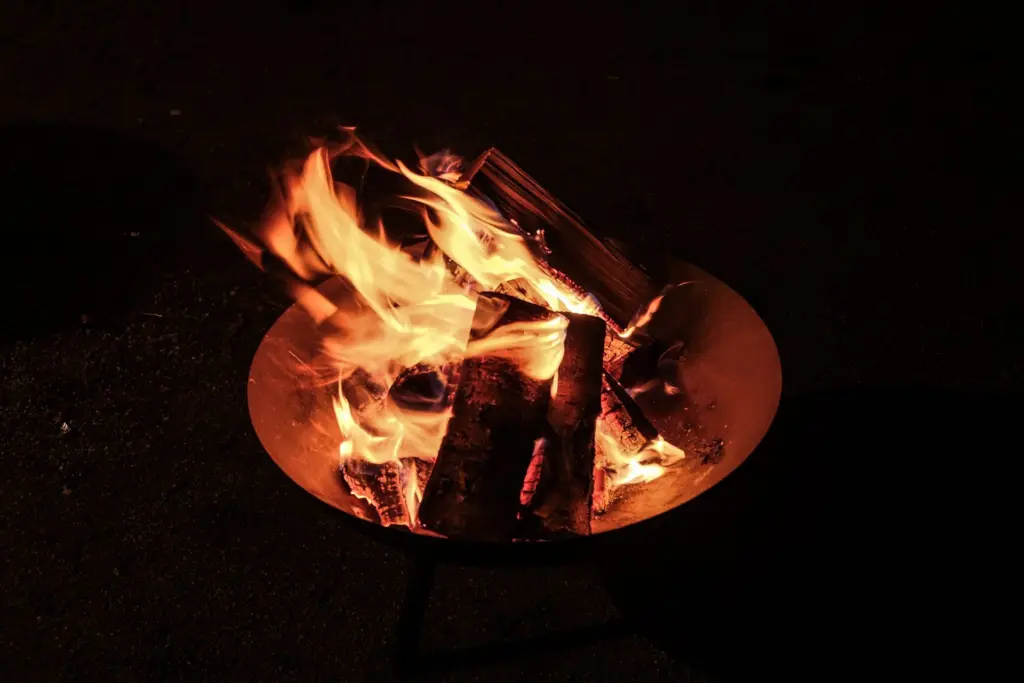
Burn dry, seasoned natural wood in a clay chiminea, ideally hardwood such as oak, hickory, maple, ash or fruitwood, split into pieces that fit entirely inside the belly. Never burn painted or treated lumber, plastic, trash or lighter fluid. Charcoal is fine in moderation.
With a clay outdoor fireplace, fuel matters more than it does with metal. It decides how much smoke you get, how hot the fire runs and, over the years, how well the clay holds up.
What is the best wood for a clay chiminea?
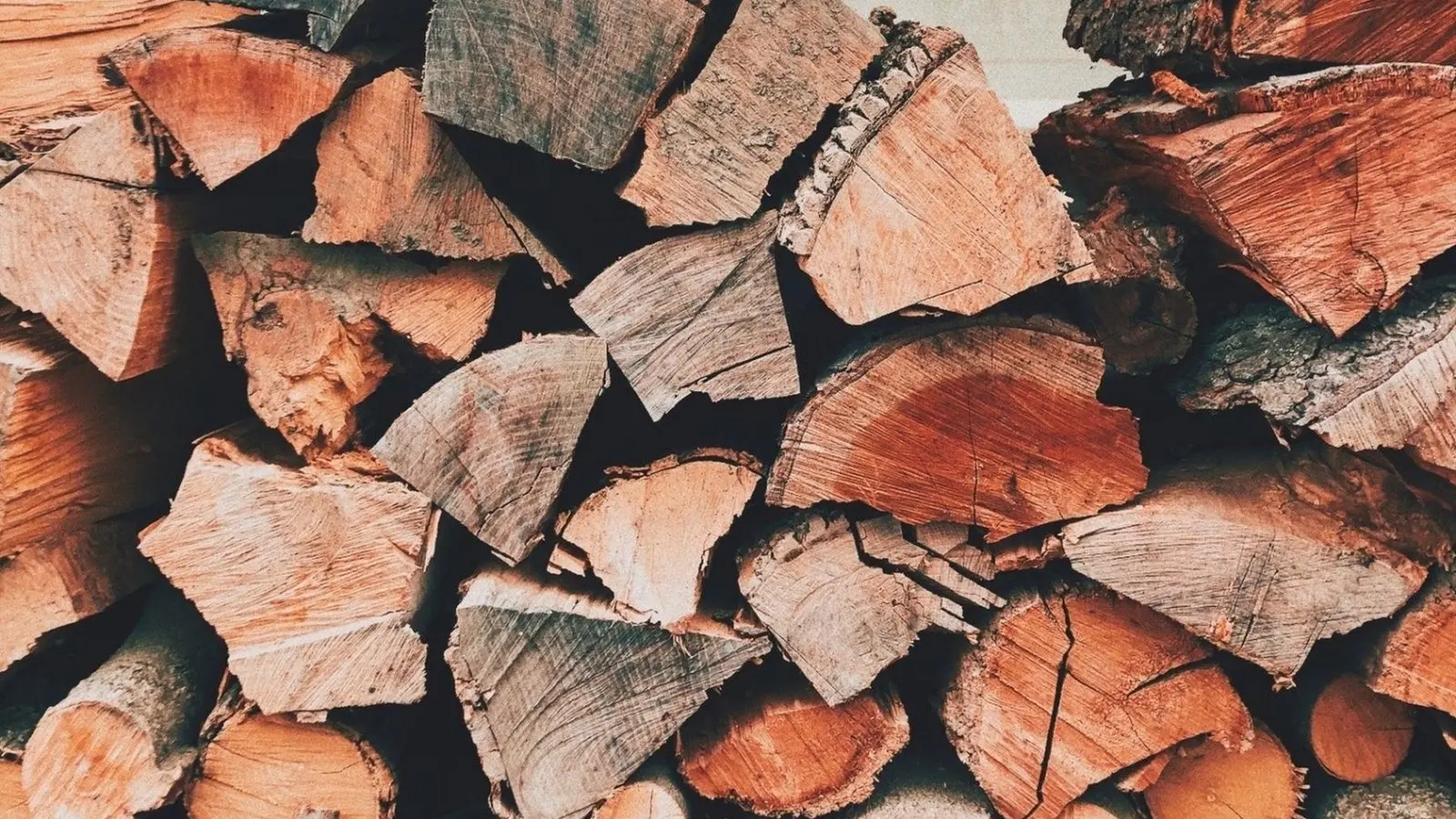
The best choice is hardwood that has been split and left to season for at least a year. It burns longer and more steadily, builds a good bed of embers and throws fewer sparks than softwood.
- Oak, hickory, maple, ash: classic firewood with a steady flame.
- Apple, cherry, pecan: fruit and nut woods with a pleasant aroma, ideal for evenings spent close to the fire.
- Mesquite: dense and fragrant, but it burns hot, so add it a piece at a time.
Seasoned wood is easy to spot: it feels lighter than it looks, has cracks across the ends, its bark comes away easily, and two pieces knocked together sound sharp rather than dull. Freshly cut green wood hisses, is hard to light and makes a lot of smoke.
Size matters as much as species. Use split pieces that are not too thick and short enough to sit fully inside the belly without poking out of the mouth.
What should you never burn in a chiminea?
- Painted, stained, varnished or pressure-treated wood, including old furniture, plywood, particleboard and MDF.
- Pallets of unknown origin, since some are chemically treated.
- Plastic, packaging, household trash, rubber or fabric.
- Gasoline, lighter fluid or any other accelerant: they flare instantly and create exactly the violent heat spike clay cannot handle.
- Large amounts of paper or cardboard, which can lift burning up the chimney.
Softwoods such as pine, fir and spruce are not off-limits, but they pop, spark and leave resin deposits. Use them only as kindling to get the fire started.
Can you burn charcoal in a chiminea?
Yes. The wide bowl takes both wood and charcoal. Lump charcoal gives off concentrated heat, though, so use a small amount spread over the sand layer rather than piled up to the mouth. Briquettes with added lighter fluid or quick-start chemicals are best avoided.
How do you build a fire with less smoke?
A wood-burning chiminea makes smoke; no wood fire is completely free of it. The difference is that the chimney draws the smoke up and away instead of into your face, and a well-built fire smokes very little.
- Start with a little paper and thin kindling, then add two or three small splits.
- Leave gaps between the pieces so air can flow in through the mouth.
- Add wood a little at a time as it burns down instead of filling the belly at the start.
- Keep the flames inside; if they lick out of the mouth or the top of the chimney, the fire is too big.
If your chiminea is new, the first fires should be small curing fires; see how to cure a clay chiminea. Location affects smoke and safety as well, so check where to place a chiminea and any local burn rules before you light up.
Can you cook in a clay chiminea?
Yes, simple things over the embers: s’mores, hot dogs or sausages on skewers, roasted chestnuts, toast, or foil-wrapped potatoes tucked beside the coals. A clay chiminea is designed first as a fireplace for warmth and atmosphere, not as a grill, and a few habits keep the clay in good shape:
- Cook over embers, not over tall flames.
- Avoid letting a lot of grease drip into the bowl.
- Do not rest heavy pots or pans on the mouth or the chimney.
To see the shape of the bowl, the mouth and the chimney up close, visit the page for our 34-inch handcrafted clay chiminea.
Can I burn compressed sawdust logs?
Pure compressed wood logs, with no binders or additives, can be used in moderation because they burn long and hot. Add one or two to a fire that is already going.
Why is my chiminea so smoky?
Almost always because of damp wood or too much wood added at once. Switch to seasoned wood, use smaller pieces and leave room for air to circulate.
Can I burn yard waste like leaves or green branches?
It is not a good idea: they smolder, make heavy smoke and bother the neighbors. Dry twigs snapped into small pieces, however, make good kindling.