Chiminea Accessories: What You Actually Need (and What to Skip)
A clay chiminea doesn’t need a full kit of accessories. Beyond the protective lid and the tripod stand that come with ours, you need sand for the bottom, heat-resistant gloves, a metal scoop and poker, a metal ash bin and a bucket of sand for emergencies. A breathable cover and a log holder make life easier. The rest is optional, and a few popular add-ons do more harm than good.
The list follows the order you’ll need things in: first what you need for the first fire, then what makes evenings easier, and last what not to buy. We don’t sell accessories, so this is about what to look for, not where to get it.
What comes with the chiminea
- The clay chiminea, handmade and kiln-fired.
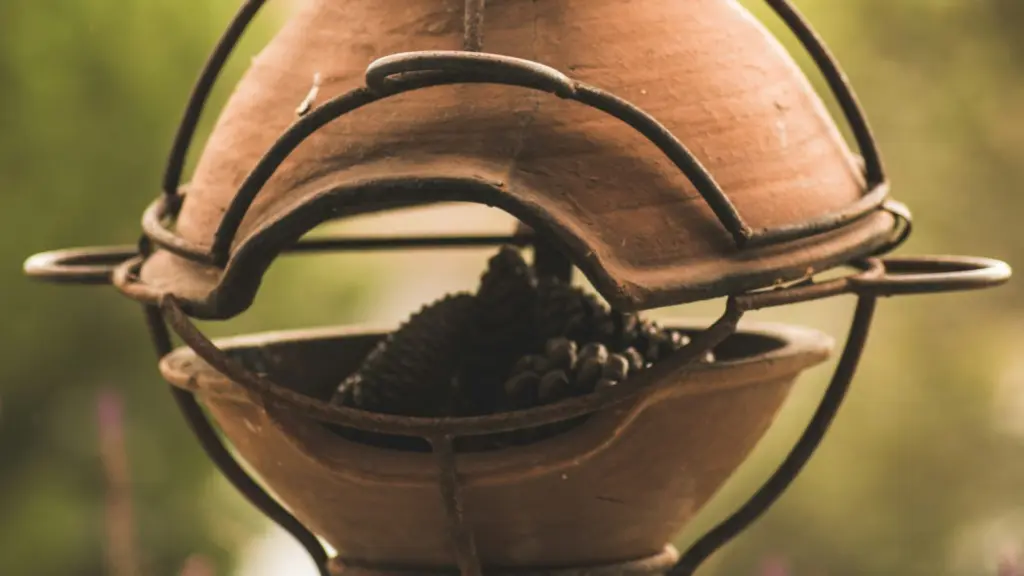
- A metal tripod stand: set it where you want it and place the body on top. Together they stand 34 in (87 cm) tall.
- A protective lid that keeps rain out of the chimney between uses.
So there’s no separate stand or lid to hunt for, which isn’t the case with every chiminea.
Essentials for the first fire
Sand for the bottom
The fire doesn’t sit directly on the clay; it sits on a layer of sand about 4 in (10 cm) deep. The sand protects the base from the embers and stays in place for every fire. The exact amount depends on how deep the bowl is. If it fills up with ash or gets wet, sift it or replace it with dry sand. Its role during the first fires is explained in how to cure a clay chiminea.
Heat-resistant gloves
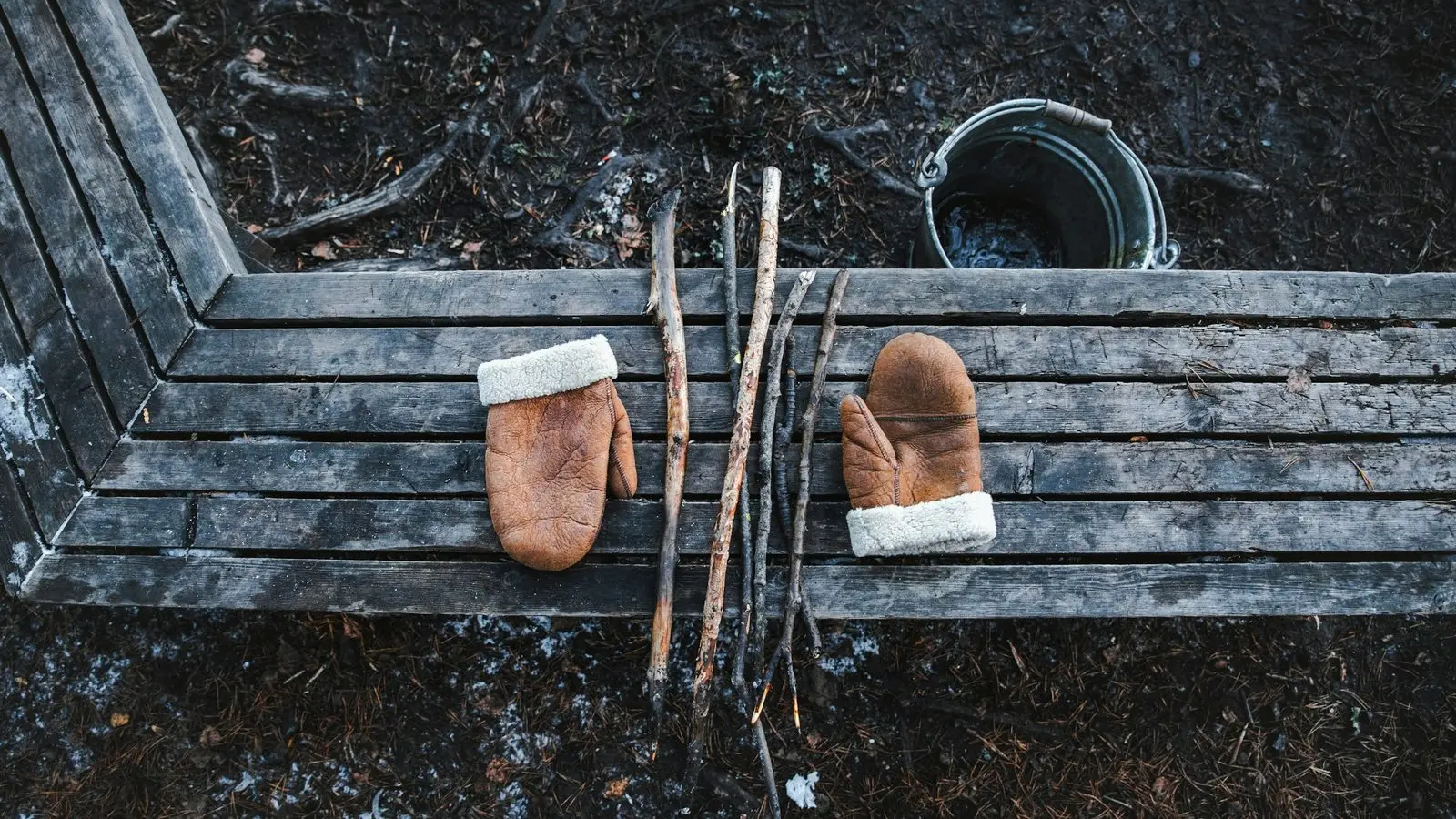
Leather fire gloves or other gloves made for heat, with long cuffs. Use them to add wood, move embers and check whether the clay has cooled. Thin gardening gloves aren’t enough.
A scoop and a poker
A metal scoop or small shovel for ash and embers, and a poker to nudge logs into place without reaching into the opening. Choose long handles and no sharp tips that could scrape the inside of the bowl.
A metal ash bin
Ash only comes out when it’s cold, but even cold-looking ash can hide live embers. A metal bin, ideally with a lid, kept outside on a non-combustible surface away from the house, is the safe place for it. Plastic buckets and cardboard boxes are not. What to do with the ash afterward is in how to put out a chiminea fire.
An emergency bucket
A bucket of sand or dry soil and, ideally, a fire extinguisher, for a spark that lands on the deck or in dry grass. Water never goes on the hot clay itself: the sudden chill can crack it.
Nice to have
A breathable cover
Useful if the chiminea sits exposed through a rainy spell or has to stay outside in winter. The rule: cover it only when it’s completely cold and dry. A cover over a wet chiminea traps the moisture inside. Pick one that lets air through, not a plastic tarp.
A log holder
Keep one evening’s worth of wood close by in a basket or small rack, a few steps from the fire, not right against it. The rest of the woodpile stays dry, under cover and off the ground.
A front screen
Some families like an extra barrier between small kids and the fire. Our chimineas don’t come with a spark screen or a spark arrestor: the wide bowl keeps sparks inside, and a moderate fire of seasoned wood throws few of them. If you want a screen anyway, choose a freestanding one that sits in front of the opening without touching the clay, not one that blocks the opening and starves the fire of air.
Long roasting sticks
For s’mores, hot dogs or bread over the embers. Cooking on skewers or in foil works; a heavy grill grate set over the opening doesn’t.
What to skip
- Lighter fluid, gasoline, alcohol. They make sudden, hard-to-control flames. Paper, kindling and, if needed, solid natural fire starters are enough.
- Heavy grates or griddles resting on the opening or the chimney. They overstress the ceramic.
- Charcoal by the bag. A little is fine; seasoned wood is the right fuel.
- Plastic sheeting instead of a cover. It holds moisture against the clay.
The short list
- sand;
- heat-resistant gloves;
- a scoop and a poker;
- a metal ash bin;
- a bucket of sand or dry soil.
With those five and what comes in the box, you’re ready for the first evening. See our clay chimineas, with red or blue ornaments, lid and stand included. They are currently sold out in the US, so the product pages are there for specs and reference prices.
Should the lid be on or off when the chiminea is lit?
Off. The lid sits on the chimney only while the chiminea is cold and not in use, to keep rain out. Take it off before lighting and put it back once the clay has cooled completely.
Do you need a spark arrestor on a chiminea?
It’s not required for ours: the wide bowl keeps sparks inside. A moderate fire of seasoned hardwood throws the fewest sparks. A screen can add a barrier for kids, but it doesn’t replace supervision.
What sand goes in the bottom of a chiminea?
Clean, dry sand, in a layer about 4 in (10 cm) deep. It stays there for every fire; sift it or replace it when it’s full of ash or wet.
Is a chiminea cover worth it?
Yes, if the chiminea sits exposed in rainy weather or over winter. Use a breathable one, and only on a cold, dry chiminea.