Chiminea Safety: Rules for Kids, Pets, Wind and the End of the Night
Are chimineas safe? Yes, as long as you treat them as what they are: a contained wood fire. The wide bowl keeps embers and sparks inside and the chimney lifts smoke above your heads, but the outside of the clay gets hot enough to burn skin. The one rule that matters most: an adult watches the fire from lighting to the last ember. Everything else is a handful of habits.
This guide isn’t about where to put a chiminea; that’s covered elsewhere. It’s about the evening itself: what to check before you light, how to keep kids and pets back, what to do about wind, what to keep within reach and how to finish the night.
The two-minute check before lighting
- The spot. On concrete pavers, stone or brick, 6-10 ft (2-3 m) from walls, wooden fences and fabric furniture, with open sky above the chimney. On a deck, never directly on the boards; see what to put under a chiminea.
- The stand. Level, no wobble, the body seated firmly on it.
- The clay. Dry, with no crack running through the wall. Fine hairline cracks on the surface are common on natural clay used with fire; a crack you can see light through is not.
- The lid. Off the chimney. It goes back on only when the chiminea is cold and not in use.
- The weather. No strong gusts, and no burn restrictions in your area during dry spells.
Kids around a chiminea
A painted clay chiminea doesn’t look dangerous the way an open bonfire does, which is exactly why kids need a clear rule before the fire is lit:
- A line they can see. The edge of the pavers, a rug, a row of chairs: up to there is fine, closer is not. A visible line works better than “don’t get too close.”
- Seated, not running. Chairs or a bench, no games of tag around the fire.
- Hands off. Not the clay, not the chimney, not the metal stand, during the fire or the next morning until an adult has checked.
- Adults feed the fire. Only the person in charge adds wood.
S’mores or bread on a stick are fine with an adult right there and long skewers, so hands stay well away from the opening.
Dogs and cats
Pets don’t know the clay is hot. A dog wagging its tail next to the stand, or a cat jumping on the lid you left on the ground, can knock something over or get burned. Keep dogs leashed or in another part of the yard while the fire is going, especially the first few times. Cats look for warm spots, so the next morning check that nobody has curled up against the still-warm clay.
Wind
A chiminea handles moderate wind well because the fire is enclosed. Strong gusts can still pull sparks up the chimney and push smoke back toward the seats.
- Set it with its back to the prevailing wind.
- On a gusty night, keep the fire small, or skip it.
- Clear away anything light nearby: paper napkins, bags, piles of dry leaves.
Clothes, blankets and chairs
Blankets and cushions make a cold evening longer, but fabric catches easily. Face the chairs toward the opening, at a distance where the heat feels pleasant, not hot. Don’t hang gloves or towels on the chiminea, and don’t set drinks on the rim. Whoever tends the fire should skip loose, dangling sleeves.
Keep these within reach
- heat-resistant gloves;
- a metal shovel or scoop for embers and ash;
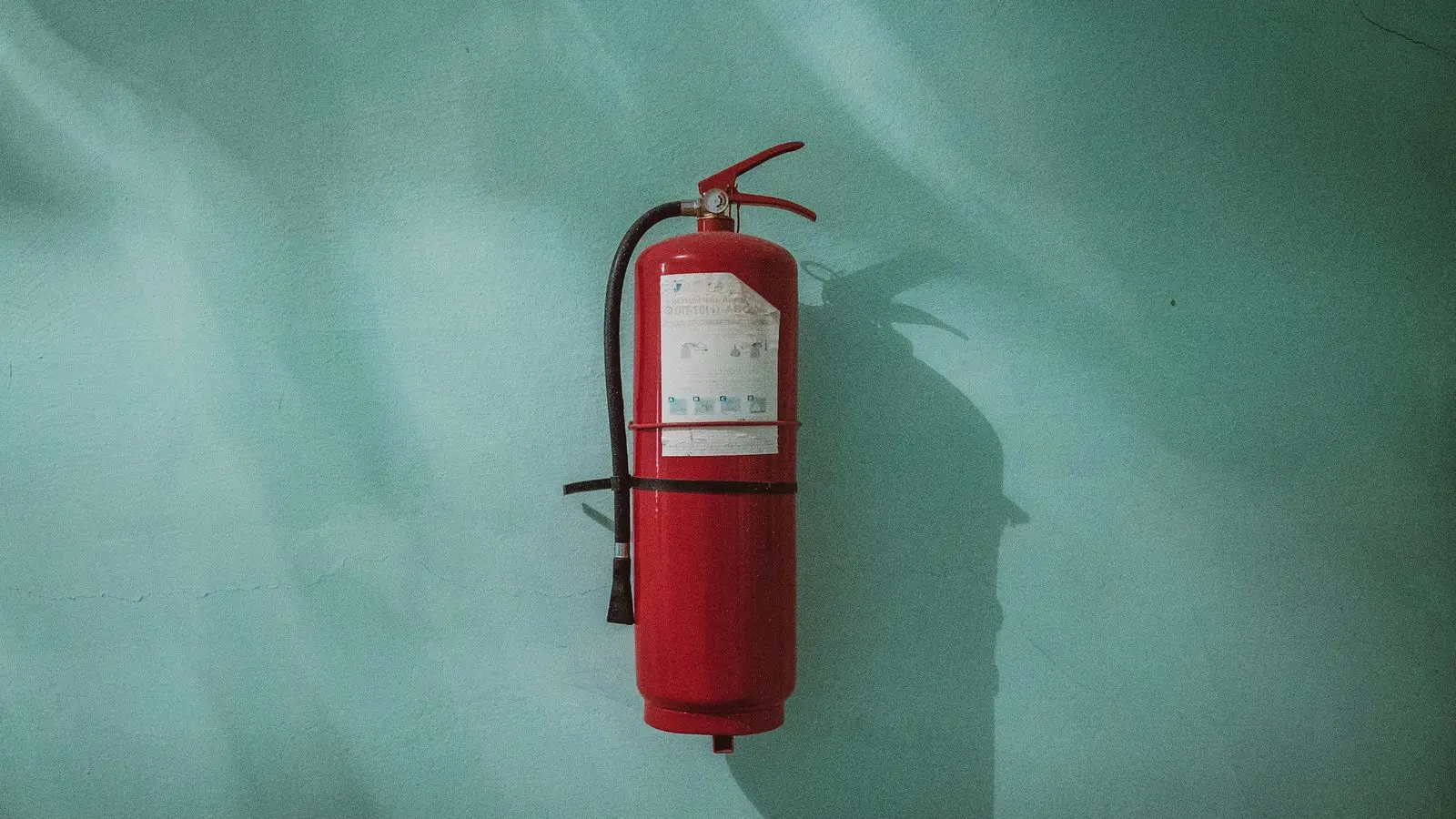
- a bucket of sand or dry soil and, ideally, a fire extinguisher, for an emergency outside the chiminea.
Water is for real emergencies, like a spark landing on the deck or in dry grass. Never pour it on the hot clay itself: it chills one part of the wall much faster than the rest and can crack it. And if something serious happens, people always come before the ceramic.
Ending the night
- An hour or two before you head in, stop adding wood.
- Let the fire burn down to ash and small embers.
- Don’t walk away while flames are still visible. Embers under ash can stay hot for hours.
- Let the chiminea cool on its own, ideally overnight. Then put the lid back on and clean out the ash into a metal container.
What to do with the cold ash is covered in how to put out a chiminea fire.
Never
- start the fire with gasoline, lighter fluid or any accelerant;
- burn trash, plastic, painted or treated wood;
- use a chiminea indoors, in a garage, on a covered porch or under a pergola;
- move it while it’s warm.
Our chiminea, in short
Sparkle Stone chimineas are handmade from 100% natural, kiln-fired clay rated for 500-600°C (932-1112°F). They stand 34 in (87 cm) tall on the included tripod stand and come with a protective lid; the wide bowl keeps sparks inside. See our clay chimineas or the red ornamented version. They are currently sold out in the US, so the product pages are there for specs and reference prices.
Are chimineas safe?
Yes, on a non-combustible base, 6-10 ft from the house and furniture, with open sky above and an adult watching the fire until it’s out. A contained fire is easier to manage than an open one.
Is a chiminea safer than a fire pit?
It’s easier to manage: flames and embers stay behind clay walls and smoke goes up the chimney. Both still need supervision, distance and a careful end to the night.
Do you need a chiminea safety guard?
It’s optional. A guard or screen adds a physical barrier, which some families like with small kids, but it doesn’t replace supervision or a clear line on the ground.
Can you leave a chiminea burning unattended?
No. Even a small fire can throw a spark, and embers stay hot long after the flames are gone. Someone stays with it until it has burned down to ash.