Can You Roast Marshmallows in a Chiminea? S’mores, Chestnuts and Other Fire Treats
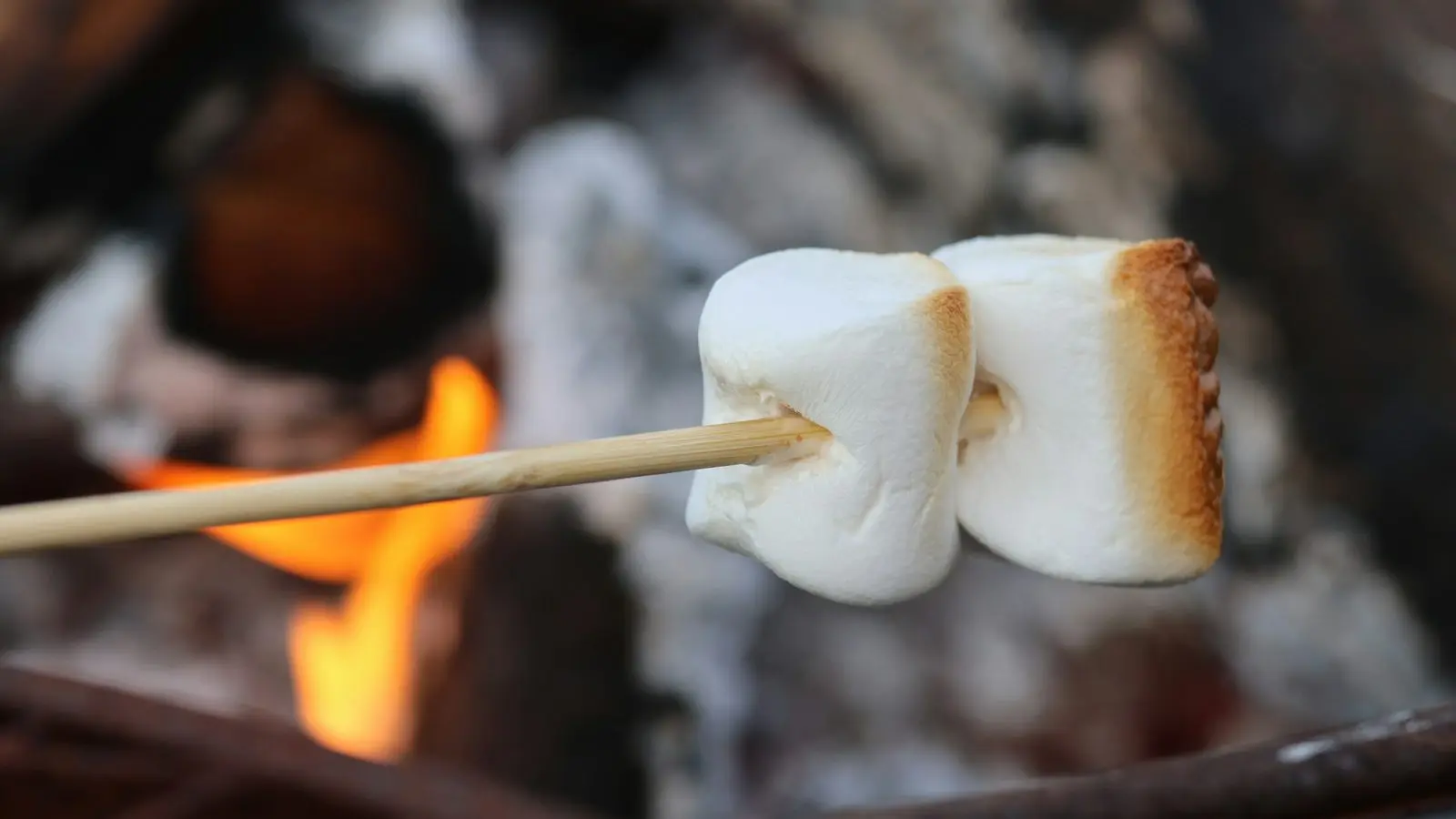
Yes, you can roast marshmallows in a chiminea. A clay chiminea handles simple treats over the embers: marshmallows and s’mores, hot dogs on skewers, roasted chestnuts, foil-wrapped potatoes, toast. The trick is to wait for glowing coals instead of tall flames and to reach in through the mouth with long skewers. What you don’t do: rest heavy cookware on the mouth or the chimney, or let a lot of grease drip into the bowl.
Fall and winter are peak season for treats by the fire. A clay chiminea is designed first for warmth and atmosphere, not as a grill, but its bed of embers is perfect for a few snacks. Here’s how to do it without stressing the clay.
The basic rule: wait for embers
Tall flames char the outside and leave the inside raw, and the smoke from freshly added wood tastes bitter. Embers, wood burned down to glowing coals, give steady heat with almost no smoke. So:
- light the fire early with seasoned hardwood; the step-by-step method is in how to light a chiminea;
- let it burn down to a layer of glowing coals;
- then start roasting, and if you add wood, add one small piece to one side so the other side stays clear for food.
Marshmallows and s’mores
- Use long skewers. Metal roasting forks with wooden handles, or long wooden skewers soaked in water first, keep your hand well away from the mouth.
- Hold them above the coals, not in the flame. Turn slowly for an even golden brown. If one catches fire, pull it out and blow it out; don’t shake it toward anyone.
- Build the s’more away from the fire. Set up a tray on a side table with graham crackers and chocolate, so nobody is fiddling with wrappers next to the chiminea.
- Warm the chocolate. Lay the chocolate on the cracker and press the hot marshmallow on top; the heat does the rest.
With kids, the usual fire rules apply: an adult right there and a clear line on the ground they don’t cross. More in chiminea safety.
Roasted chestnuts
- Buy sweet chestnuts, sold for eating. Horse chestnuts from park trees are not edible.
- Score each one. Cut an X or a slit on the rounded side so steam can escape; otherwise they can burst.
- Roast them beside the coals, in a loosely closed foil packet, or in a light long-handled chestnut pan that you hold over the embers.
- Shake often so they cook evenly.
- Test one. They’re done when the shell has opened at the cut and the inside is soft. Wrap them in a towel for a few minutes; they peel more easily.
Foil potatoes, hot dogs and toast
Prick potatoes with a fork, wrap them in two layers of foil and tuck them beside the coals, not under a big fire. Turn them now and then with long tongs. How long they take depends on their size and how hot the coals are, so test with a skewer: when it slides to the center easily, they’re done. Small potatoes of the same size cook more evenly.
Hot dogs and sausages go on skewers, held a little higher than marshmallows so the fat doesn’t drip much into the bowl. Bread toasts in a minute or two over embers, so keep an eye on it.
What not to do with a clay chiminea
- Don’t rest Dutch ovens, kettles or heavy pans on the mouth or the chimney. Clay isn’t a cooktop, and weight plus concentrated heat in one spot stresses it.
- Don’t cook over a big fire to speed things up. Flames coming out of the mouth or the chimney are bad for the food and for the clay.
- Don’t let a lot of grease drip into the bowl; it smokes and leaves marks.
- Don’t use lighter fluid or painted or treated wood; the smell and taste end up on the food.
- Don’t pour water into the bowl afterwards to “clean up”. Let the fire die down on its own and the chiminea cool until the next day.
The right wood for cooking
For anything you eat, wood affects flavor. Seasoned hardwood like oak, hickory or maple makes good coals, and apple, cherry or pecan add a pleasant aroma. Softwoods such as pine, fir and spruce pop, spark and give resinous smoke, so keep them for kindling only. More on fuel in what to burn in a chiminea.
After the treats
Small bits of shell or food that fall into the bowl burn away with the fire. Anything that dripped onto the sand can come out the next day with the cold ashes. Don’t scrub the bowl while it’s warm and never wash it with water. How to handle the ashes is in how to put out a chiminea.
Our chiminea, in short
Sparkle Stone chimineas are handmade from 100% natural, kiln-fired clay rated for 500-600°C (932-1112°F). They stand 34 in (87 cm) tall on the included tripod stand and come with a protective lid; the wide mouth gives easy access to the embers. See our clay chimineas or the blue ornamented version. They are currently sold out in the US, so the product pages are there for specs and reference prices.
Can you roast marshmallows in a chiminea?
Yes. Let the fire burn down to embers, then hold the marshmallow on a long skewer above the coals, through the mouth, turning it until it’s golden.
Can you make s’mores in a clay chiminea?
Yes. Roast the marshmallow over the embers and assemble the s’more on a tray away from the fire, pressing the hot marshmallow onto the chocolate.
Can you roast chestnuts in a chiminea?
Yes. Score them, put them in a foil packet beside the coals or in a light long-handled pan held over the embers, and shake often until the shells open.
Can you cook on top of a chiminea?
No. Don’t rest cookware on the mouth or the chimney of a clay chiminea. Cook over the embers with skewers or foil, and use a grill or stove for anything that needs a pan.