Can You Cook Pizza in a Chiminea? Clay Chiminea vs Pizza Oven
Not in a clay chiminea. A pizza oven bakes on a flat stone floor under a low dome that throws heat back down onto the top of the pizza. A clay chiminea burns its fire on a bed of sand in a rounded belly and sends the heat out of the mouth toward the people sitting in front of it, while the chimney carries the smoke up. Bake the pizza in your kitchen or in a real pizza oven, eat it by the fire, and keep the chiminea’s embers for simple treats.
“Chiminea pizza oven” is a common search, and it makes sense: both are often clay, both burn wood. They share a material, not a job. Here’s how each one works, why they don’t swap, and how to get pizza and a fire into the same evening.
How a pizza oven works
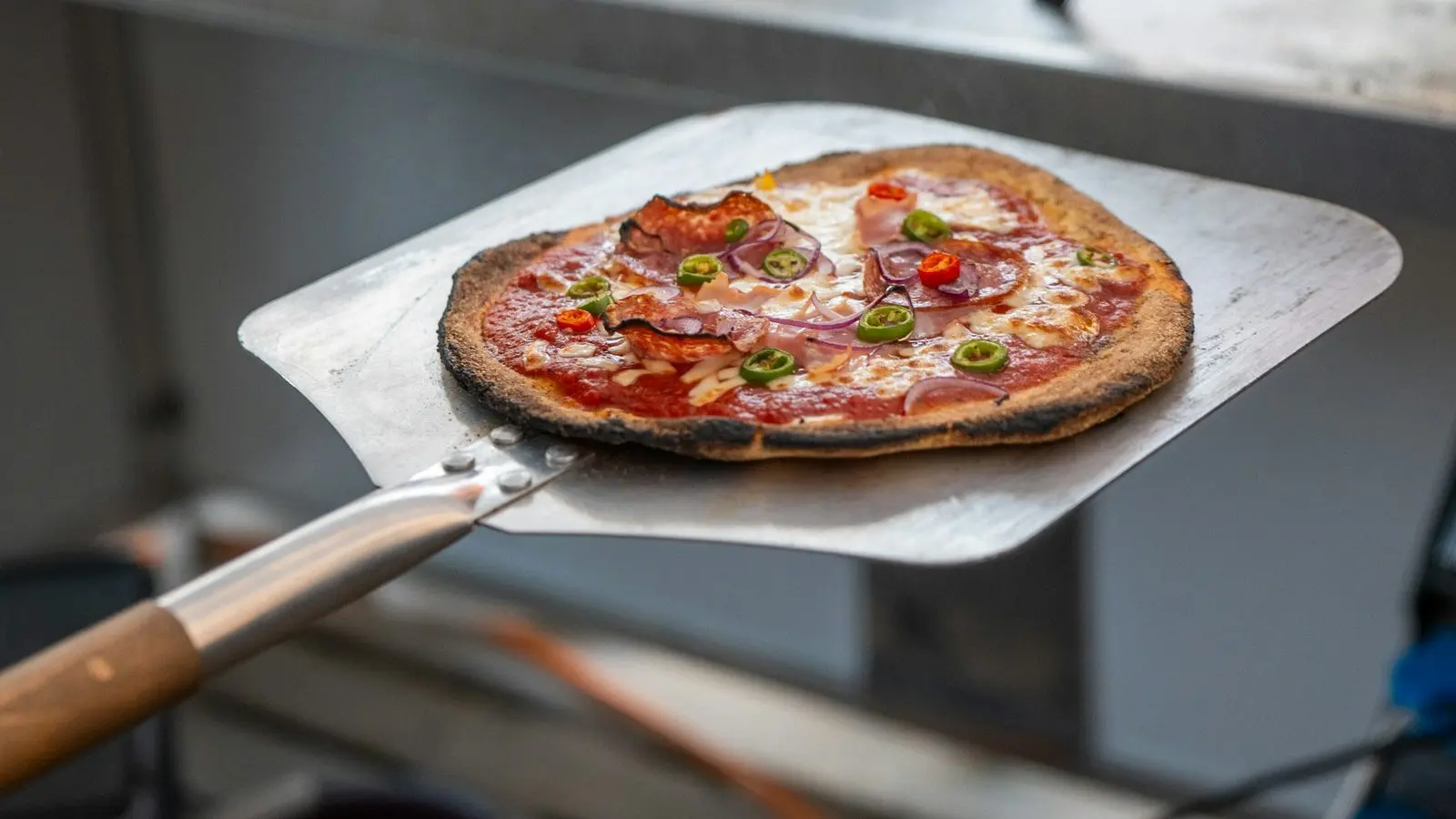
- A flat floor. The pizza sits directly on hot stone or firebrick, which bakes the crust from below.
- A low dome. It collects the fire’s heat and reflects it back down over the top.
- Fire to one side. The wood burns against the wall while the pizza bakes beside it and gets turned with a peel.
- Very high heat. A wood-fired pizza oven floor often reaches 700-900°F, and a thin pizza bakes in a few minutes.
How a clay chiminea works
- A rounded belly with sand. The fire sits on about 4 in (10 cm) of sand, not on a flat cooking floor.
- The mouth. Air and wood go in through the front opening, and that’s where most of the heat comes out, toward people.
- The chimney. It draws smoke up. It doesn’t hold heat over food the way a dome does.
- Moderate fires. Fired clay is rated for 500-600°C (932-1112°F), but what damages it is sudden heat and too much wood at once, one of the usual causes of serious cracks.
Why you shouldn’t bake pizza in a clay chiminea
- Nowhere to put it. The bottom is a layer of sand and ash, not a clean, flat surface.
- No heat from above. Without a dome, the crust would burn underneath while the top stays raw.
- It would take too big a fire. The issue isn’t the clay’s maximum rating, it’s the fire: trying to reach pizza-oven heat means loading in a lot of wood at once and building it fast, exactly what clay doesn’t like.
- Weight on the clay. Pizza stones, cast iron pans, Dutch ovens and heavy cookware don’t go on the mouth or the chimney: weight plus concentrated heat in one spot stresses the clay.
Some metal chimineas and fire pits are sold with grills or pizza attachments. That’s a different kind of product; the differences between clay and metal are in clay vs cast iron chiminea.
What you can cook over the embers
Simple things, over coals, not tall flames: marshmallows and s’mores, hot dogs on long skewers, roasted chestnuts, foil-wrapped potatoes tucked beside the coals, toast. The closest thing to pizza: bread dough wrapped around a thick stick, baked over the embers and then filled with cheese or whatever you like. S’mores, chestnuts, potatoes and hot dogs are covered step by step in roasting marshmallows in a chiminea.
Pizza night by the fire
- Light the fire early so the chiminea is warm and the fire is calm by the time people arrive.
- Bake the pizza in the kitchen, or in your pizza oven if you have one, and bring it out sliced on a board.
- Keep the food table to the side, a few steps away, never on or next to the chiminea.
- Dessert over the embers: s’mores near the end of the night, when the fire has burned down.
The rest of the planning, from seating to lighting, is in fire pit party ideas.
Want both in the backyard?
You can, with room for each. A pizza oven is heavy and stays put, usually on a built base. A chiminea can be moved when it’s cold and needs concrete pavers, stone or brick underneath and 6-10 ft from walls and wooden fences. Don’t put them side by side; give each fire its own corner. The wood rule is the same for both: seasoned hardwood (see what to burn in a chiminea). If you’re also weighing a built-in fireplace, see chiminea vs outdoor fireplace.
Our chiminea, in short
Sparkle Stone chimineas are handmade from 100% natural, kiln-fired clay rated for 500-600°C (932-1112°F). They stand 34 in (87 cm) tall on the included tripod stand and come with a protective lid. They’re designed for warmth and atmosphere, with simple cooking over the embers, not as an oven or a grill. See our clay chimineas. They are currently sold out in the US, so the product pages are there for specs and reference prices.
Can you use a chiminea as a pizza oven?
Not a clay one. It has no flat baking floor and no dome to bake the top, and the big fire you’d need stresses the clay. For pizza, use a pizza oven or your kitchen oven.
Can you put a pizza stone in a chiminea?
No. Pizza stones, pans and heavy cookware don’t go on the mouth or the chimney of a clay chiminea: the weight and the concentrated heat put stress on the ceramic. Inside, a stone would sit on sand and ash with no heat from above, and getting it hot enough would take far too big a fire for clay.
Is a pizza oven or a chiminea better for a backyard?
It depends on what you want: a pizza oven if you want to cook often, a chiminea if you want warmth and evenings by the fire. With enough space, both can work, each in its own corner.
What can you cook in a clay chiminea?
Simple treats over the embers: marshmallows, hot dogs on skewers, chestnuts, foil potatoes, toast and stick bread. No heavy cookware on the clay and not too much dripping grease.